EPA repeals carbon pollution limits on coal and gas power plants
The rollback removes the main federal tool for cutting greenhouse gas emissions from a sector that produces about a quarter of US climate pollution, and could block future administrations from regulating it at all.
What the EPA did
On September 14, 2026, EPA Administrator Lee Zeldin signed a final rule described as a partial repeal of the Carbon Pollution Standards for Fossil Fuel-Fired Electric Generating Units. The rule eliminates greenhouse gas emission standards for all existing coal-fired plants and all existing natural gas- and oil-fired plants, along with standards for coal-fired units undergoing large modifications and certain standards for new plants. EPA said each of these 2024 standards relied on a required legal test — the "best system of emissions reduction" — that the agency now considers expensive, unavailable, ineffective, or otherwise unreasonable.
Alongside the final rule, EPA issued a supplemental proposal to rescind the finding that power plant emissions contribute significantly to dangerous air pollution. If finalized, that would mean the agency believes it has no authority under the Clean Air Act to regulate greenhouse gases from power plants at all, which EPA said have "no material impact on global climate change." Zeldin announced the rollback at a G20 energy ministers meeting in Houston, framing it as ending what he called a "war on coal" waged by the Obama and Biden administrations.
The move follows EPA's February 2026 rescission of the 2009 Endangerment Finding, the scientific conclusion that greenhouse gases threaten public health and welfare. That finding had been the legal foundation for regulating greenhouse gases under the Clean Air Act. EPA took a similar step earlier in 2026 when it repealed greenhouse gas rules for vehicles.
Sources 1, 2, 4, 5
What the 2024 rule required, and why EPA is undoing it
The regulations being repealed were finalized under the Biden administration in May 2024. They required coal-fired plants and new gas-fired plants to either cut their carbon emissions or install technology capturing 90% of their climate pollution. EPA at the time projected the rule would cut carbon emissions from the power sector by 75% compared with the sector's 2005 peak, prevent 1,200 premature deaths in 2035 alone, and generate $120 billion in health benefits through 2047.
The Trump EPA has offered a different set of figures for its own action. The agency projects the repeal will save $310 billion and reduce electricity prices, according to CNN's reporting. The Guardian reported EPA's own estimate that the rollback will cause 123 million additional metric tons of carbon emissions over the next decade while saving power plant operators $370 million in direct compliance costs — and that in its updated calculations, EPA has stopped counting the dollar value of lives saved through reduced air pollution.
EPA also argued that parts of the 2024 rule amounted to improper "generation shifting," a reference to the Supreme Court's 2022 decision in West Virginia v. EPA, which limited how far the agency could push power plants toward lower-emitting fuel sources rather than simply requiring pollution controls at each plant. The rulemaking has a long legal history: it was challenged in the D.C. Circuit shortly after being finalized in 2024, and the Supreme Court denied a request to stay the rule that October, with two justices, Kavanaugh and Gorsuch, indicating they thought some challengers were likely to succeed on the merits eventually. EPA asked the court to pause that litigation in early 2025 while the new administration reworked the rule, a request the court granted.
Sources 1, 2, 4, 5
What changes for the power sector
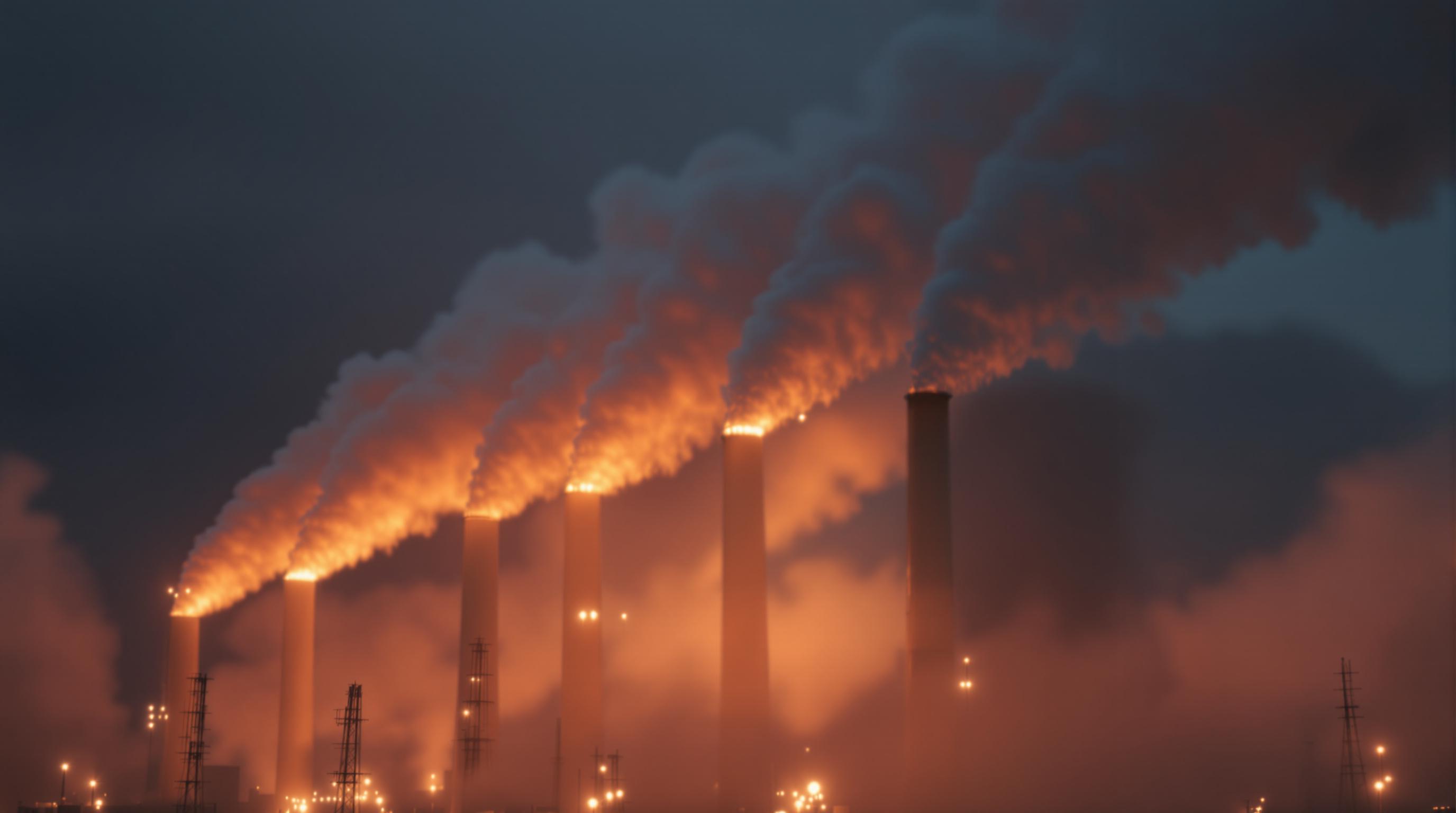
Power plants are the second-largest source of planet-heating pollution in the US after transportation, and make up close to a quarter of the country's total greenhouse gas emissions, according to both CNN and the Harvard Environmental and Energy Law Program's tracker. The Guardian noted that if the US electricity sector were counted as its own country, it would rank as the fifth-largest carbon polluter in the world, behind China, the US as a whole, India, and Russia. US power plants alone account for about 3% of global climate pollution, per CNN.
The repeal arrives as the Trump administration pushes to keep coal plants running longer and build new ones. The administration has ordered several aging coal plants to stay online past their planned retirement dates and announced more than $100 million in federal funding for two new coal plants equipped with carbon capture technology. CNN reported that US greenhouse gas emissions rose in 2025, reversing a prior downward trend, driven partly by power plants burning more coal — though coal demand is expected to fall 7% in 2026.
The administration argues the changes are needed to keep electricity reliable and affordable as demand rises from data centers, industrial growth, and electrification. But CNN reported that some experts dispute the claim that more coal will lower prices, since coal-fired power is often more expensive to generate than natural gas or renewables. Carrie Jenks, executive director of Harvard's environmental and energy law program, told CNN the rollback creates uncertainty for power companies that will have to plan around the likelihood of legal challenges.
Sources 2, 4, 5
What's being contested
Environmental groups have said they will challenge the repeal in court. Holly Bender, chief program officer at the Sierra Club, called it "a license to keep polluting" and said the organization would "fight back against this reckless and dangerous proposal with everything we have in the courts, in Congress, and in communities." Meredith Hankins of the Natural Resources Defense Council said that without the standards, "dirty coal and fossil fueled power plants can spew as much carbon pollution into the atmosphere as they please."
Former EPA Administrator Gina McCarthy, who led the agency under President Obama, said the decision "lets the nation's biggest industrial polluters off the hook by reversing findings the agency itself established." Rachel Cleetus of the Union of Concerned Scientists accused the administration of prioritizing industry over public health. The supplemental proposal to eliminate EPA's regulatory authority over power plant emissions entirely is not yet final; it follows the same legal approach EPA used earlier in 2026 to eliminate vehicle emissions rules.
The scale of the legal fight ahead is significant because, if the authority-stripping proposal is finalized and survives court review, it would limit the ability of any future administration to regulate power plant carbon emissions under the Clean Air Act. The dispute over how the US should regulate power sector emissions has already run for roughly a decade, including a 2016 Supreme Court decision striking down the Obama administration's original Clean Power Plan and a narrower version enacted under Biden with parameters set by the court. The current repeal, and the accompanying proposal, mark the latest turn in that ongoing legal history.
Sources 2, 4, 5